Quick answer: Warehouses and distribution centers put concrete floors under constant stress from forklifts, pallet jacks, and heavy foot traffic. Without protection, bare concrete cracks, pits, and generates dust that slows operations. Commercial concrete coatings create a durable, chemical-resistant surface that extends floor life, improves safety, and reduces long-term maintenance costs for facility owners.
Key Takeaways
- Bare concrete floors in warehouses degrade quickly under heavy equipment traffic, chemical spills, and constant abrasion.
- Commercial concrete coatings like epoxy and polyaspartic systems protect against cracking, staining, and dusting while improving safety through better traction and visibility.
- Facilities considering commercial concrete coatings Indianapolis IN should factor in downtime, floor usage, and coating type to choose the best long-term solution.
Warehouse and distribution center floors work harder than almost any other surface in a commercial building. Forklifts roll across them thousands of times a day. Pallet jacks drag heavy loads over the same paths. Spilled oils, cleaning chemicals, and de-icing salt eat away at unprotected concrete. Over time, this wear adds up—and it shows.
Cracked, pitted, or dusting concrete isn't just an eyesore. It slows down operations, creates safety hazards, and eventually leads to costly repairs or full slab replacement. That's why more facility managers are turning to commercial concrete coatings as a proactive solution rather than waiting for damage to force their hand.
This post breaks down why warehouses and distribution centers benefit from professional floor coatings, what options are available, and how to choose the right system for a high-traffic facility.
Why does bare concrete fail in warehouse environments?
Concrete is strong, but it's also porous. Without a protective coating, it absorbs oils, chemicals, and moisture, which weakens the slab from the inside out. Combine that with the constant mechanical stress of warehouse equipment, and the surface starts to break down faster than most facility owners expect.
Common signs of concrete failure in warehouses include:
- Cracking and spalling from heavy point loads, like stacked pallets or racking systems
- Dusting, where the surface breaks down into fine powder that gets tracked throughout the facility
- Staining and chemical etching from spilled fuel, oil, or cleaning agents
- Pitting and abrasion in high-traffic aisles and loading dock areas
Once damage sets in, repairs become more expensive and more disruptive to daily operations. Coating the floor before problems start is almost always the more cost-effective route.
What types of commercial concrete coatings work best for warehouses?
Not all coatings are built for the same level of abuse. Warehouses and distribution centers need systems designed specifically for heavy loads, constant traffic, and chemical exposure.
Epoxy coatings
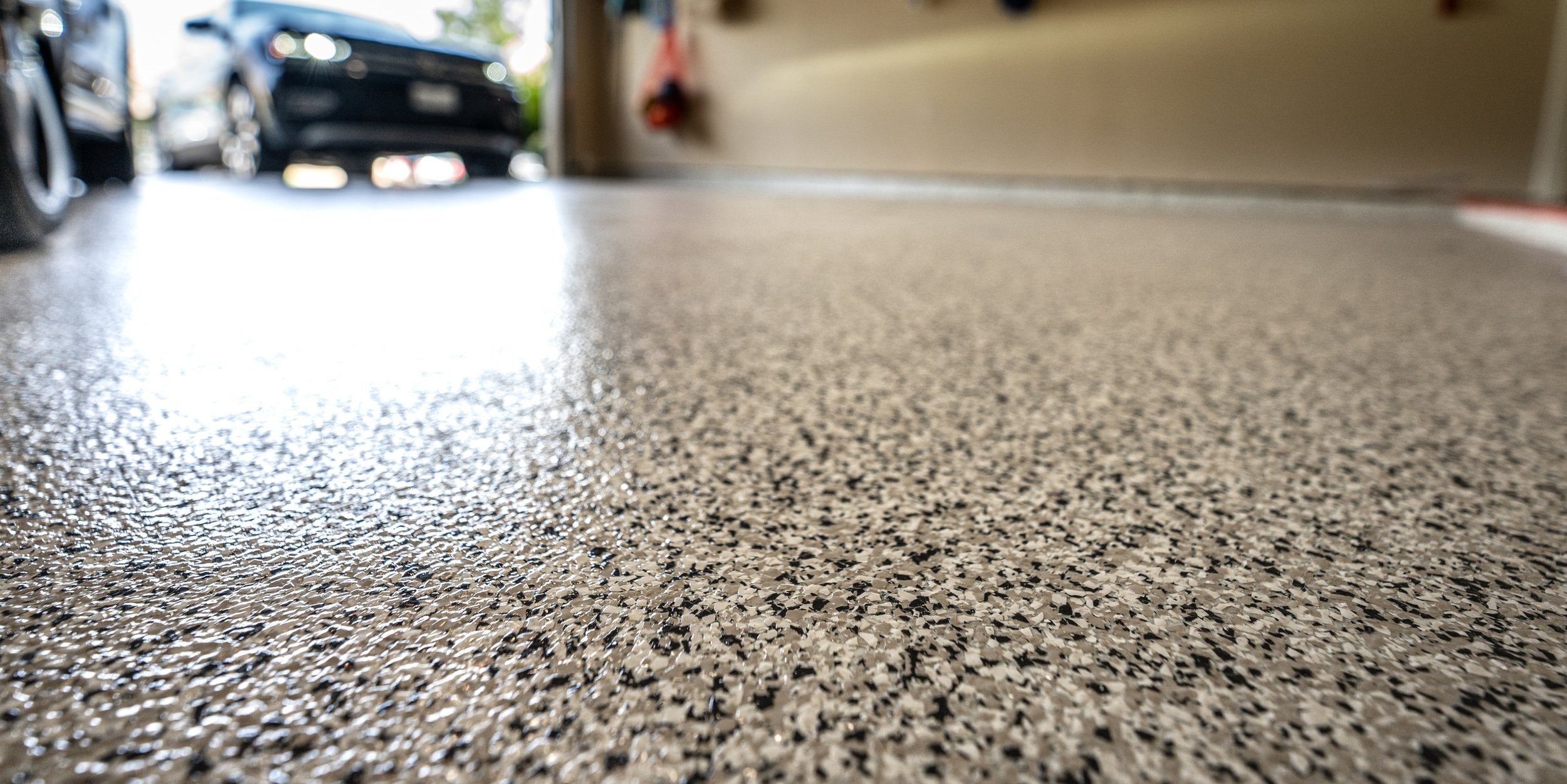
Epoxy is one of the most widely used commercial concrete coatings for industrial floors. It bonds tightly to concrete, creating a hard, seamless surface that resists abrasion, chemicals, and moisture. Epoxy also comes in multiple finishes, including options with added texture for slip resistance in areas prone to spills.
Polyaspartic and polyurea coatings
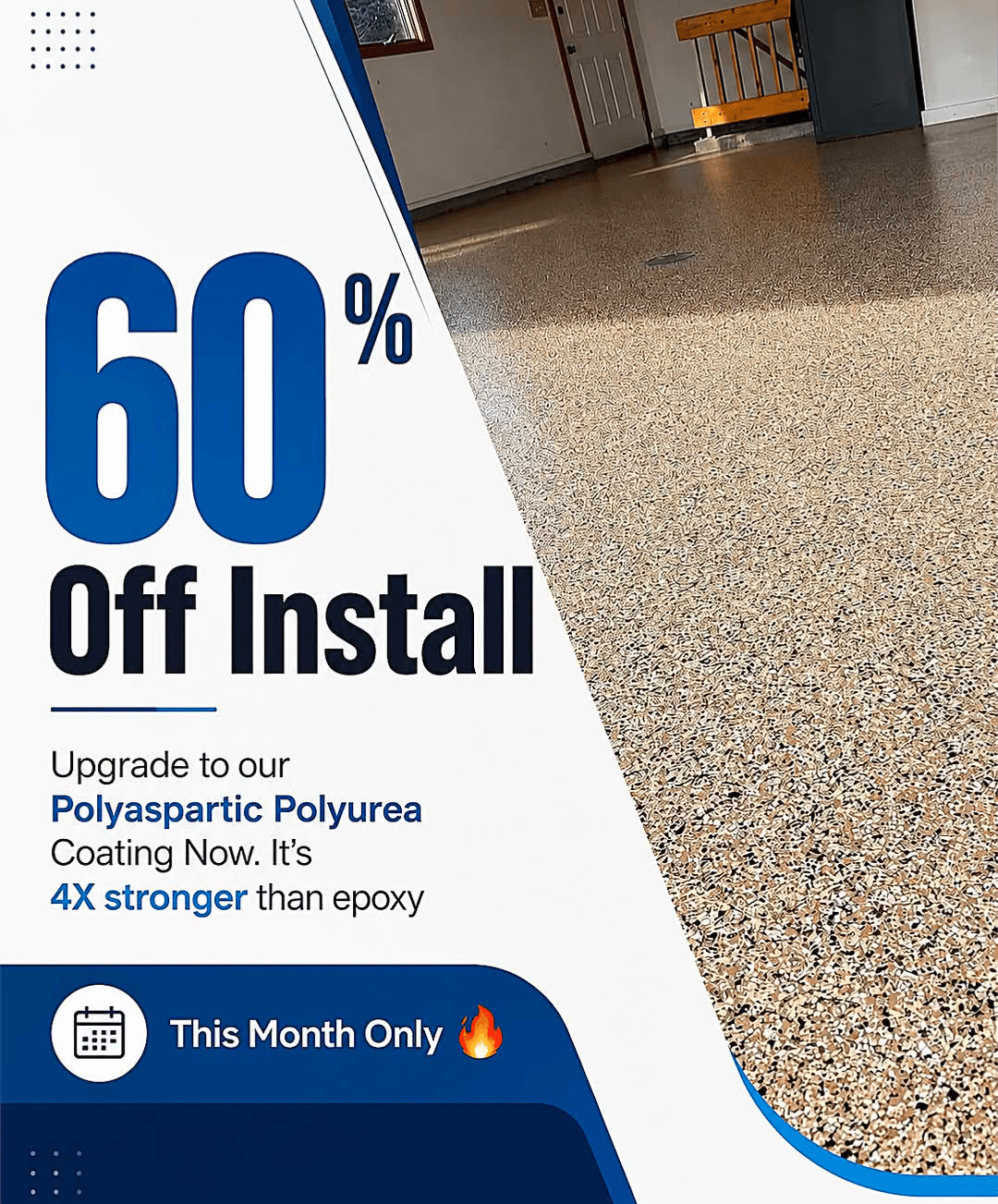
For facilities that can't afford extended downtime, polyaspartic and polyurea coatings cure significantly faster than traditional epoxy—often within a day. They also offer excellent UV stability, which matters for loading docks and areas exposed to sunlight. These coatings tend to cost more upfront but pay off in reduced disruption to operations.
Hybrid systems
Many commercial applications now use a hybrid approach, layering an epoxy base coat with a polyaspartic or polyurea topcoat. This combines the strong adhesion of epoxy with the fast cure time and durability of polyaspartic, giving warehouses a floor that can handle heavy use while minimizing shutdown time during installation.
What benefits do commercial concrete coatings provide beyond durability?
Durability is the main driver behind most coating decisions, but the benefits go further than just protecting the slab.
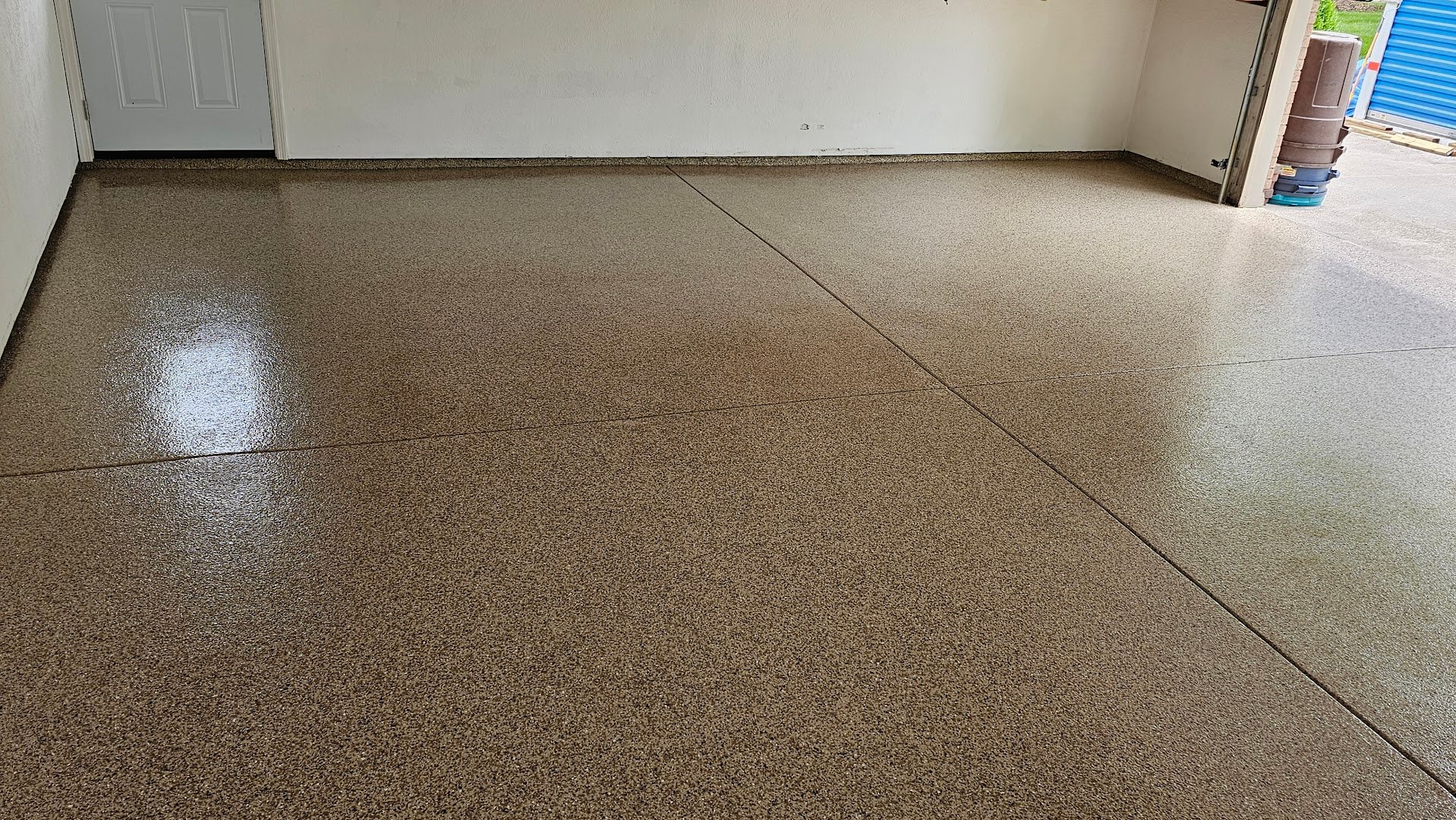
Improved safety. Textured or slip-resistant coatings reduce the risk of workplace accidents, particularly in areas where spills are common. Line striping can also be integrated into the coating for clear traffic paths, forklift lanes, and safety zones.
Better light reflectivity. Glossy coatings reflect ambient and overhead lighting, which brightens the workspace without adding electrical costs. This is especially valuable in large distribution centers where lighting large areas is expensive.
Easier cleaning and maintenance. Coated floors are non-porous, which means spills wipe up easily instead of soaking into the concrete. This reduces cleaning time and helps facilities maintain a more sanitary environment.
Lower long-term costs. While there's an upfront investment, a quality coating extends the life of the concrete slab significantly. Replacing a warehouse floor is far more expensive and disruptive than maintaining a coated one.
How should a facility choose the right coating system?
Choosing the right coating depends on how the space is used. A distribution center with constant forklift traffic needs a different solution than a warehouse used primarily for static storage.
Facility managers should consider:
- Traffic type and volume: Heavier forklift and pallet jack use calls for thicker, more abrasion-resistant systems.
- Chemical exposure: Facilities handling fuel, oil, or industrial chemicals need coatings with strong chemical resistance.
- Downtime tolerance: Operations that can't pause for multiple days should prioritize fast-curing polyaspartic or polyurea systems.
- Budget and lifespan expectations: Epoxy tends to cost less upfront, while polyaspartic offers faster turnaround and longer UV stability.
Choose an epoxy system if budget is the primary concern and the facility can accommodate a longer cure time. Choose polyaspartic or a hybrid system if minimizing downtime matters more than upfront cost.
Working with an experienced contractor makes this decision easier. A professional assessment of traffic patterns, existing floor condition, and operational needs helps determine which system will perform best over the long term.
Protecting Your Floor Is Protecting Your Bottom Line
Warehouse floors take a beating every single day, and ignoring that wear only leads to bigger problems down the road. Investing in a durable coating system protects the concrete slab, improves safety for employees, and keeps operations running smoothly without the disruption of emergency repairs.
For facilities researching commercial concrete coatings Indianapolis IN, Polypro Concrete Coatings offers coating systems built specifically for the demands of warehouses and distribution centers. Reach out to discuss which solution fits your facility's traffic, budget, and timeline.
Frequently Asked Questions
How much do commercial concrete coatings cost for a warehouse?
Costs vary based on square footage, coating type, and floor condition, but epoxy systems generally cost less than polyaspartic or hybrid systems. Facilities should request a site assessment for an accurate quote based on their specific needs.
How long does it take to coat a warehouse floor?
Epoxy coatings typically require several days to cure fully, while polyaspartic and polyurea systems can cure within 24 hours. Facilities with limited downtime tolerance should prioritize faster-curing options.
Can concrete coatings handle forklift traffic?
Yes. Coatings designed for industrial use, particularly epoxy and polyaspartic systems, are built to withstand the weight and friction of forklifts, pallet jacks, and other heavy equipment.
What's the difference between epoxy and polyaspartic coatings?
Epoxy offers strong adhesion and chemical resistance at a lower cost but takes longer to cure. Polyaspartic cures faster and offers better UV stability, making it a good fit for facilities that need quick turnaround or have sunlight-exposed areas.
Are there alternatives to coating a warehouse floor?
Some facilities opt for floor replacement or polished concrete instead of coatings. However, coatings typically offer a lower-cost, faster solution that still provides strong protection against the daily wear of warehouse operations.