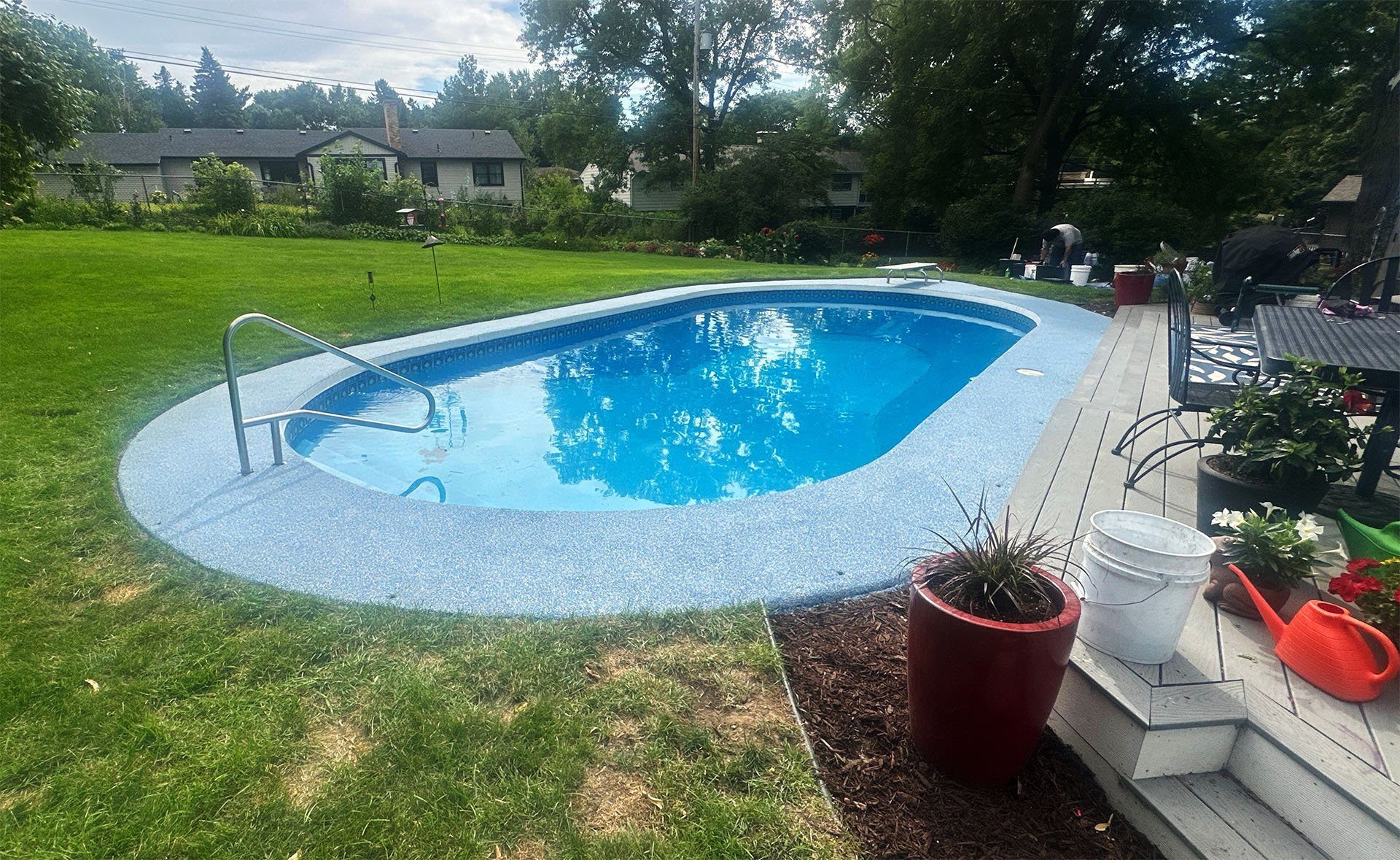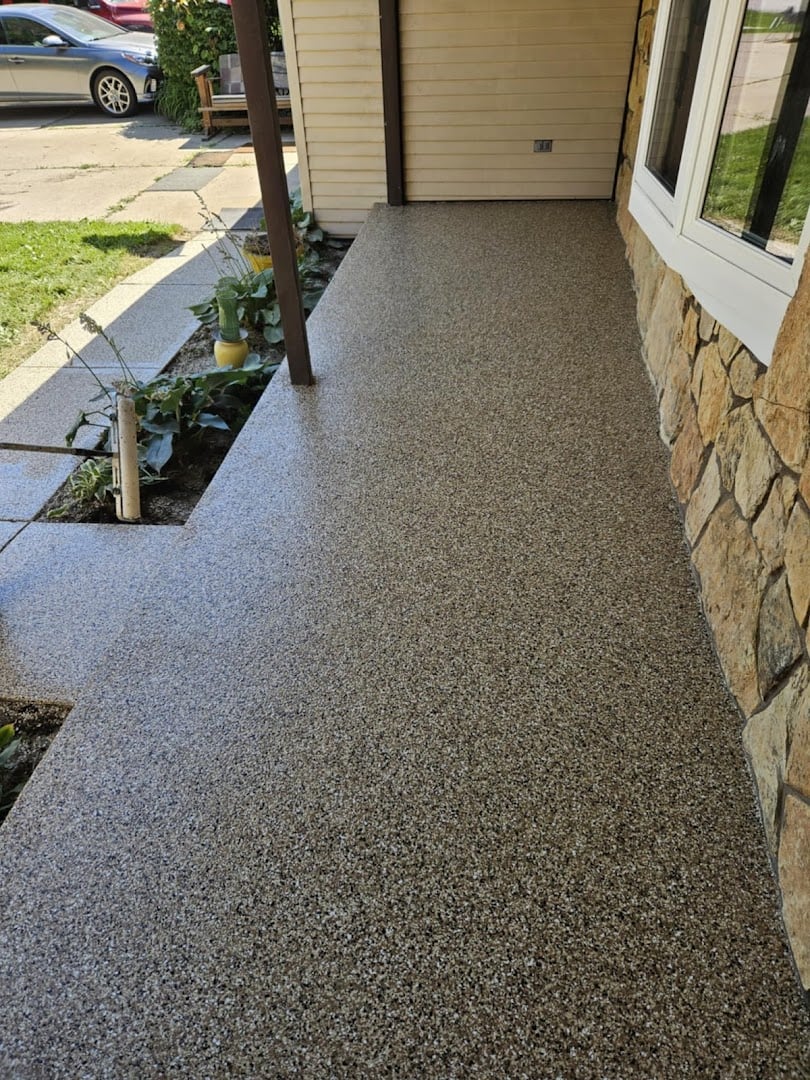
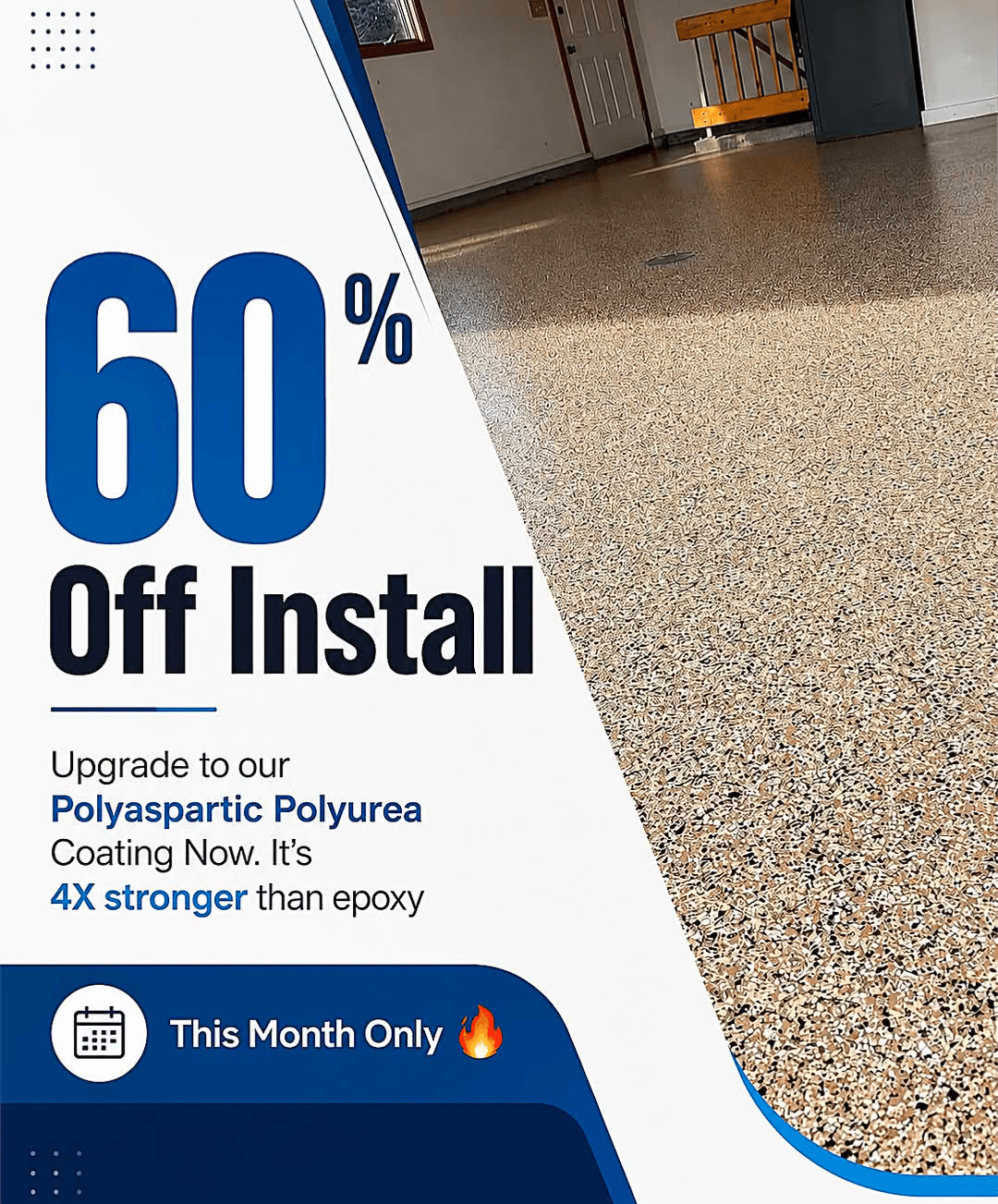
Your garage floor endures a lot – from heavy vehicle traffic and spilled chemicals to oil stains and everyday wear. If you’re tired of a dusty, drab, or damaged concrete slab, it’s time to consider the superior solution: epoxy floor coatings. Often referred to as 'epoxy paint garage floors,' these robust systems are far more than just paint. They offer unparalleled durability, stunning aesthetics, and easy maintenance, making your garage a cleaner, safer, and more inviting space. Discover how a professional epoxy coating can revolutionize your garage.
What Exactly Are Epoxy Garage Floor Coatings?
When people search for "epoxy paint garage floors," they are often looking for a high-performance coating system that significantly outperforms traditional concrete paint. An epoxy coating is a two-part system consisting of an epoxy resin and a polyamine hardener. When mixed, these components create a chemical reaction that forms a rigid, plastic-like material that bonds incredibly strongly to the concrete substrate. This creates a seamless, non-porous surface that is exceptionally resistant to abrasion, impact, chemicals, and moisture. Unlike standard paint, which simply sits on the surface, epoxy penetrates and adheres, becoming an integral part of your floor.
This unique composition is what gives epoxy its legendary strength and longevity. It’s not just about adding color; it’s about creating a protective shield that can withstand the harshest garage environments. From hot tires and heavy tools to corrosive fluids, an epoxy floor is built to last, maintaining its integrity and appearance for many years.
The Unmatched Benefits of Epoxy for Your Garage
Choosing an epoxy coating for your garage floor brings a host of advantages that go far beyond mere aesthetics:
- Exceptional Durability and Longevity: Epoxy floors are incredibly tough, designed to resist chipping, cracking, and peeling even under heavy use. They can withstand the weight of vehicles, dropped tools, and constant foot traffic without showing significant wear.
- Superior Chemical and Stain Resistance: Spills are inevitable in a garage. Epoxy creates a non-porous barrier that repels oil, grease, gasoline, brake fluid, and other harsh chemicals, preventing them from soaking into and staining your concrete. Cleaning up is a breeze.
- Enhanced Aesthetics and Customization: Forget dull gray concrete. Epoxy comes in a vast array of colors, from solid tones to decorative flake systems and even metallic finishes. You can personalize your garage to match your home’s style or create a vibrant, professional workspace.
- Easy to Clean and Maintain: The seamless, non-porous surface of an epoxy floor means dirt, dust, and debris have nowhere to hide. A simple sweep and occasional mop are usually all that's needed to keep it looking pristine.
- Improved Safety: With optional anti-slip additives, epoxy floors can provide a safer walking surface, reducing the risk of slips and falls, especially when wet. Its bright, reflective surface can also improve visibility in your garage.
The Professional Epoxy Installation Process
Achieving a flawless and long-lasting epoxy garage floor requires meticulous preparation and expert application. A professional installation typically follows several critical steps:
- Surface Preparation: This is arguably the most crucial step. The concrete must be thoroughly cleaned, degreased, and profiled – often through diamond grinding – to create a porous surface for optimal adhesion. Any cracks or imperfections are repaired to ensure a smooth, stable base.
- Moisture Testing: Professionals will test the concrete for moisture vapor transmission. High moisture levels can lead to coating failure, so addressing this before application is essential.
- Primer Application: A specialized primer is often applied to enhance adhesion and seal the concrete, preparing it for the subsequent layers.
- Base Coat Application: The main epoxy color coat is applied evenly across the prepared floor.
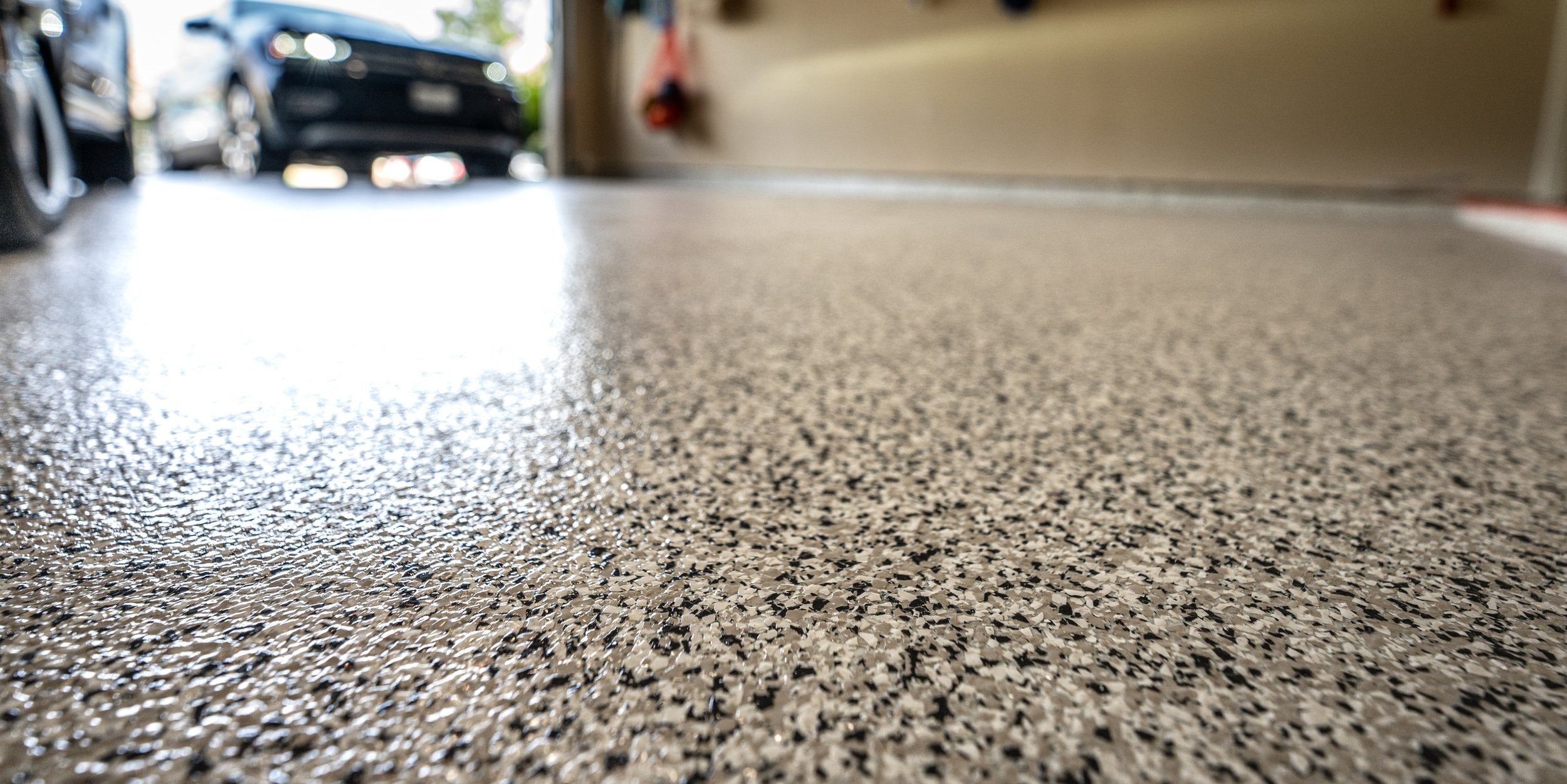
- Decorative Flakes (Optional): If a flake system is chosen, decorative vinyl flakes are broadcast into the wet base coat, creating a speckled, textured look.
- Clear Topcoat: One or more layers of a durable clear topcoat (often a polyaspartic for enhanced UV resistance and scratch protection) are applied. This seals in the flakes and provides the final layer of protection and gloss.
- Curing: The floor is then left to cure for a specified period, typically 24-72 hours for light foot traffic and several days for vehicle traffic, allowing the coating to reach its full hardness.
Choosing the Right Epoxy System for Your Garage
Not all epoxy systems are created equal, and selecting the right one depends on your specific needs, aesthetic preferences, and budget. Polypro Concrete Coatings offers a range of options to suit any garage environment:
- Solid Color Epoxy: A classic, clean look available in a wide spectrum of colors. Ideal for those seeking a uniform, professional finish.
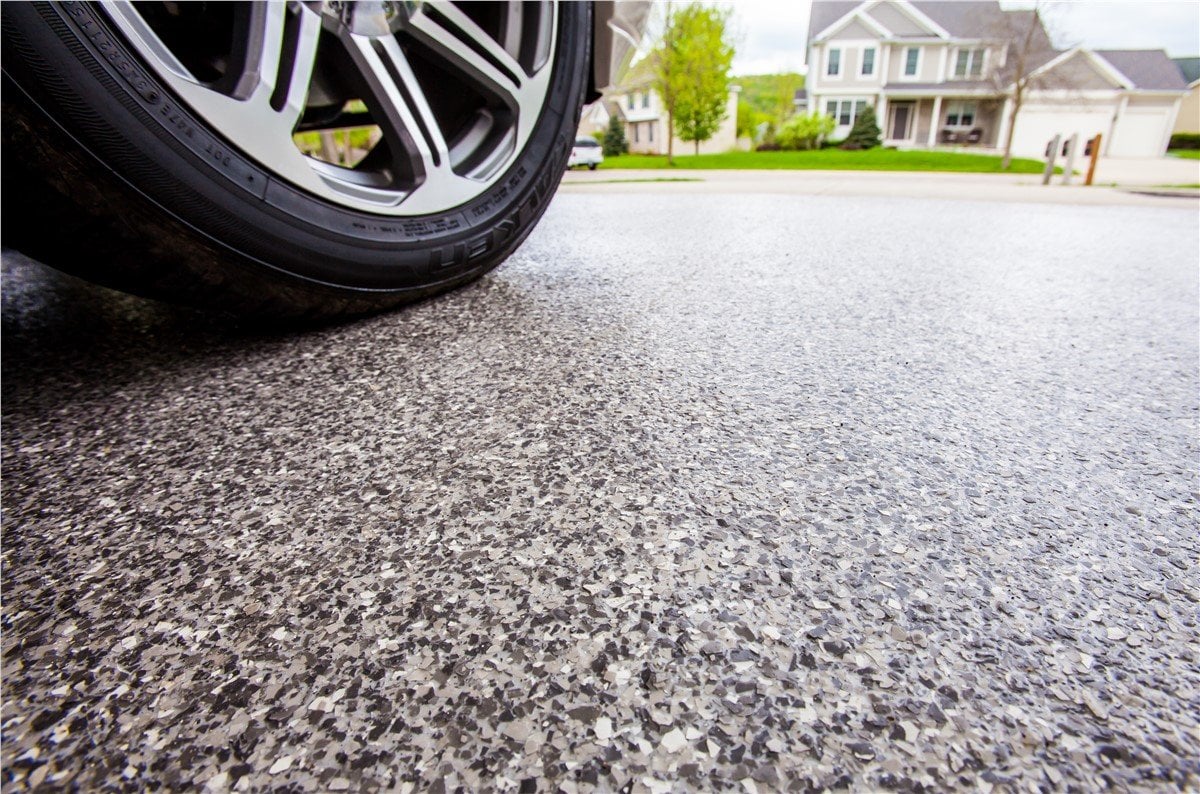
- Flake Epoxy Systems: These involve broadcasting decorative vinyl flakes into the wet epoxy, creating a granite-like or terrazzo appearance. They offer excellent durability and hide minor imperfections well.
- Metallic Epoxy: For a truly unique and luxurious look, metallic pigments are swirled into the epoxy, creating stunning, multi-dimensional effects that mimic flowing water or molten metal.
- High-Build Epoxy: Thicker applications designed for maximum durability and impact resistance, often chosen for commercial garages or workshops.
Our experts can help you navigate these choices, ensuring you select a system that not only looks fantastic but also performs optimally for your garage’s specific demands.
Why Professional Installation Makes All the Difference
While DIY epoxy kits exist, the complexity of proper surface preparation, precise mixing ratios, and rapid application times often lead to subpar results. Hiring professionals for your epoxy paint garage floors ensures a flawless, long-lasting finish.
Experienced technicians possess the specialized equipment and knowledge to correctly prepare your concrete, identify and address potential issues like moisture, and apply the product uniformly and efficiently. This expertise prevents common problems such as peeling, bubbling, and uneven finishes, ultimately saving you time, money, and frustration in the long run. A professionally installed system also typically comes with a warranty, giving you peace of mind that your investment is protected.
Frequently Asked Questions
How long does epoxy last on a garage floor?
With proper installation and maintenance, a high-quality epoxy coating on a garage floor can last anywhere from 10 to 20 years, or even longer. Factors like the quality of the epoxy system, the thoroughness of surface preparation, and the amount of traffic and abuse the floor receives will influence its lifespan.
Is epoxy paint slippery?
Standard epoxy finishes can be somewhat slick when wet, similar to polished concrete. However, professional installers can incorporate anti-slip additives, such as fine aggregate or textured topcoats, into the final layer. This significantly enhances traction, making the floor much safer, especially in areas prone to moisture.
Can I apply epoxy over existing paint?
Generally, it is not recommended to apply new epoxy directly over existing paint. The adhesion of the new epoxy will only be as strong as the adhesion of the old paint to the concrete. If the underlying paint is failing or not properly bonded, the new epoxy will likely peel or delaminate. Proper surface preparation, including removing old coatings, is essential for a successful epoxy application.
How do I clean an epoxy garage floor?
Cleaning an epoxy garage floor is remarkably easy. For general maintenance, a broom or dust mop is usually sufficient. For spills or dirt, a mild detergent and water, along with a soft-bristle brush or mop, will do the trick. Avoid abrasive cleaners, steel wool, or harsh chemicals that could dull the finish or compromise the coating.
What's the difference between epoxy and polyaspartic coatings?
While both are high-performance concrete coatings, polyaspartic is a newer technology often used as a topcoat over epoxy or as a standalone system. Polyaspartic cures much faster, is more flexible (making it more resistant to scratching and abrasion), and is highly UV stable, meaning it won't yellow over time when exposed to sunlight. Epoxy is generally more affordable and offers excellent chemical resistance and adhesion.
How long does the installation process for epoxy paint garage floors take?
The total installation time for epoxy paint garage floors typically ranges from 2 to 4 days, depending on the size of the garage, the condition of the concrete, and the complexity of the chosen system (e.g., solid color vs. flake system). This includes preparation, application of multiple coats, and sufficient drying time between layers. The floor usually requires an additional 24-72 hours for light foot traffic and 5-7 days before vehicles can be parked on it.
Ready to upgrade your garage with a durable, beautiful, and easy-to-maintain epoxy floor? Don't settle for less than professional quality. Polypro Concrete Coatings is dedicated to delivering superior concrete coating solutions that stand the test of time. Contact us today for a free, no-obligation estimate and let our experts help you design the perfect epoxy floor for your home.