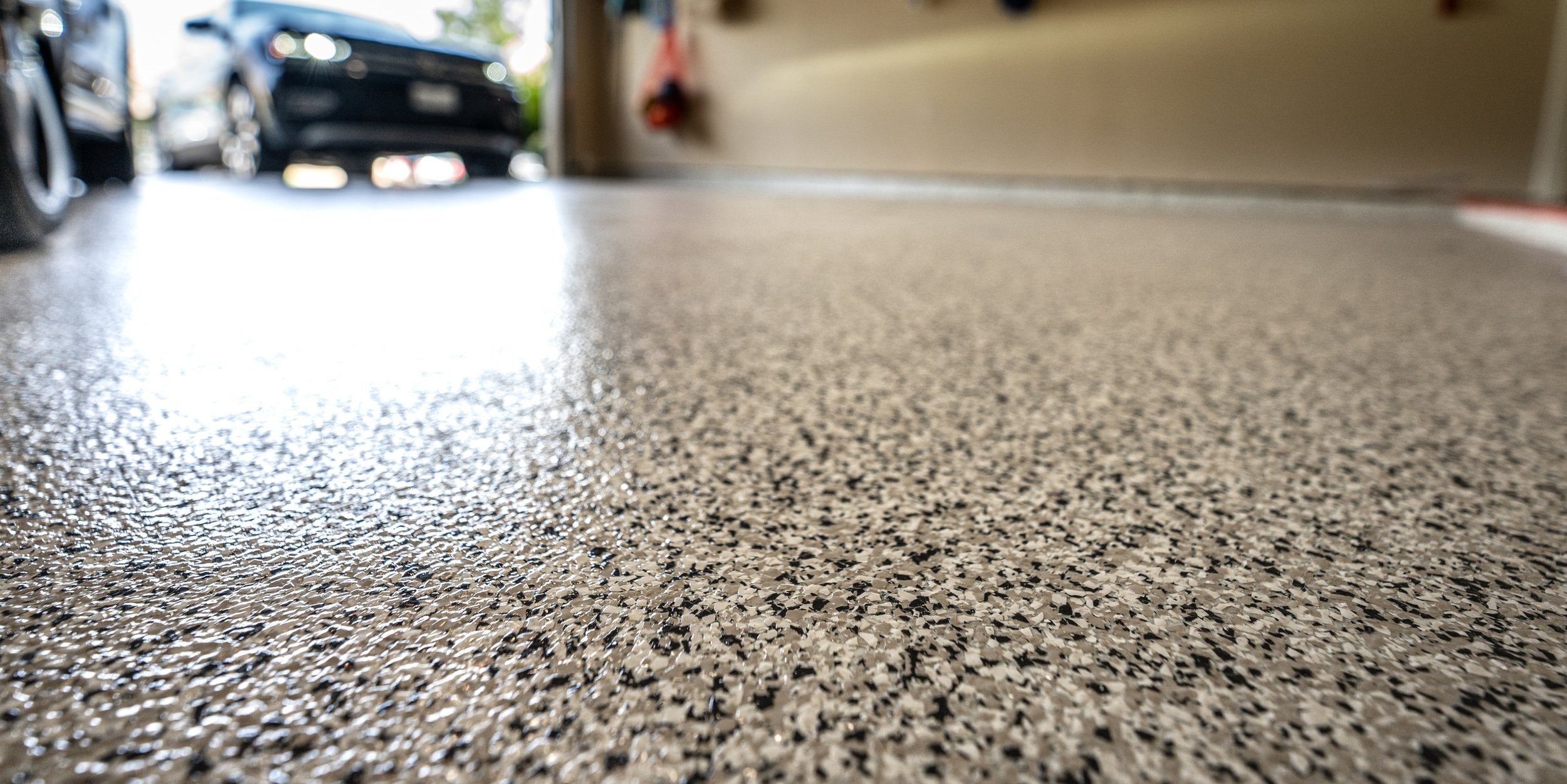

Quick Answer: Garage floor coatings in Grand Rapids, MI face unique challenges from road salt, freeze-thaw cycles, and heavy use. Regular cleaning, prompt stain removal, and seasonal care can extend the life of your coating by years. This post covers the top maintenance tips Grand Rapids homeowners should follow to protect their investment.
Key Takeaways
- Regular sweeping and mopping are the foundation of a long-lasting garage floor coating
- Grand Rapids winters demand extra attention—road salt and moisture are the biggest threats to coated floors
- Scheduling a professional inspection with a garage floor coating company in Grand Rapids, MI like Polypro Concrete Coatings can catch issues before they become costly repairs
Grand Rapids homeowners know that winters here are no joke. Between the road salt tracked in from vehicles, the freeze-thaw cycles that stress every surface in your home, and the general wear of daily garage use, a coated garage floor takes a beating. The good news? A high-quality coating from a trusted garage floor coating company in Grand Rapids, MI like Polypro Concrete Coatings can last for many years—if you maintain it properly.
This guide walks you through the most effective maintenance habits for keeping your concrete coatings for garages looking sharp, performing well, and standing up to Michigan's toughest seasons.
Why Does Garage Floor Coating Maintenance Matter?
Skipping maintenance doesn't just affect appearance. Over time, neglected concrete coatings for garages can chip, stain, and delaminate—meaning the coating separates from the concrete beneath it. Once that process starts, repairs become significantly more involved and expensive.
The upside is that maintaining a coated floor is genuinely easy. A few simple habits, done consistently, make a dramatic difference.
How Should You Clean a Coated Garage Floor?
Daily and Weekly Cleaning Habits
Start with the basics. Sweep or dust-mop your garage floor at least once a week to remove dirt, debris, and grit. Fine particles act like sandpaper underfoot and can gradually dull the surface of your coating over time.
For mopping, use a pH-neutral cleaner diluted in warm water. Avoid bleach, ammonia-based products, and acidic cleaners—these can break down the coating's finish and cause discoloration. A simple mop-and-bucket routine every few weeks is usually enough for most garages.
Dealing With Stains Quickly
Speed matters when it comes to stains. Oil, transmission fluid, and battery acid are common garage culprits, and the longer they sit, the harder they are to remove. Blot up spills immediately using a clean cloth or paper towels, then clean the area with a degreaser formulated for coated floors.
Avoid scrubbing with steel wool or harsh abrasive pads. These will scratch the surface. A soft-bristle brush or non-abrasive scrub pad gets the job done without causing damage.
What Are the Best Ways to Protect a Garage Floor Coating During Grand Rapids Winters?
Managing Road Salt and Moisture
This is the big one for Grand Rapids homeowners. Road salt is extraordinarily corrosive, and during winter, it gets tracked in on tires and boots every single day. Left to sit, salt residue can slowly penetrate the coating and attack the concrete underneath.
Make it a habit to mop your garage floor more frequently during the winter months—ideally once a week. Use clean, warm water to rinse away salt deposits. A floor squeegee can help push standing water toward the drain and reduce drying time.
Placing a heavy-duty floor mat near the garage entrance also helps catch salt and moisture before they spread across the entire floor.
Protecting Against Freeze-Thaw Damage
Water that seeps into micro-cracks in your floor can freeze, expand, and widen those cracks significantly. While a well-applied concrete coating for garages acts as a protective barrier, it's important to inspect the surface each spring for any signs of cracking, bubbling, or peeling—especially after a harsh winter.
Catching these issues early means a simple touch-up rather than a full recoat.
How Do You Prevent Physical Damage to a Coated Garage Floor?
Using the Right Floor Protectors
Heavy equipment, toolboxes, and vehicles with sharp edges can all gouge or scratch your coating. Place rubber or felt pads under heavy furniture and equipment legs. If you're parking a motorcycle or bicycle inside, use a floor mat or pad underneath the kickstand—metal kickstands are surprisingly damaging on coated surfaces.
Avoiding Hot Tire Pickup
Hot tire pickup is a phenomenon where the heat from freshly driven tires softens the coating, and the rubber temporarily bonds to it. When you drive out, strips of coating can peel away with the tires. This is more common with lower-quality coatings, but even premium coatings benefit from proper precautions.
If your car has been driven for a while, let it cool for a few minutes before pulling into the garage. Alternatively, ask Polypro Concrete Coatings about topcoat options that are specifically formulated to resist hot tire pickup.
When Should You Schedule a Professional Inspection?
Even with consistent at-home maintenance, a professional inspection from a garage floor coating company in Grand Rapids, MI every year or two is a smart investment. A trained eye can spot early signs of delamination, moisture infiltration, or surface wear that homeowners often miss.
Polypro Concrete Coatings offers assessments to help Grand Rapids homeowners understand the current condition of their floor and whether any repairs or refreshing are needed. Catching small issues before they escalate keeps costs down and extends the life of your investment considerably.
Protect Your Investment for Years to Come
A coated garage floor is one of the most durable, low-maintenance upgrades you can make to your home. But "low-maintenance" doesn't mean "no maintenance." By sweeping regularly, acting fast on spills, managing winter salt carefully, and scheduling periodic professional check-ins, you can keep your concrete coatings for garages performing and looking great for years.
Polypro Concrete Coatings is Grand Rapids' trusted partner for garage floor installations and long-term care. If it's time for a refresh—or you'd like a professional assessment of your current floor—reach out to their team to get started.
Frequently Asked Questions
How often should I clean my coated garage floor?
Sweep weekly and mop with a pH-neutral cleaner every two to four weeks. During winter in Grand Rapids, mop more frequently—at least once a week—to remove road salt and moisture before they cause damage.
What cleaning products are safe for concrete coatings for garages?
Use pH-neutral, non-abrasive cleaners diluted in warm water. Avoid bleach, ammonia, vinegar, and citrus-based cleaners, as these can degrade the coating's finish over time.
How long do garage floor coatings last in Grand Rapids, MI?
With proper maintenance, a professionally applied coating from a garage floor coating company in Grand Rapids, MI can last 10 years or more. Harsh winters and heavy use without regular upkeep can shorten that lifespan significantly.
Can I repair a damaged garage floor coating myself?
Minor surface scratches can sometimes be buffed out, but chips, peeling, or delamination typically require professional repair. Contact Polypro Concrete Coatings for an assessment before attempting any DIY fixes.
How do I prevent hot tire pickup on my coated garage floor?
Let your vehicle cool briefly before parking, and ask your coating installer about topcoats designed to resist hot tire pickup. Quality installation from the start is the best prevention.