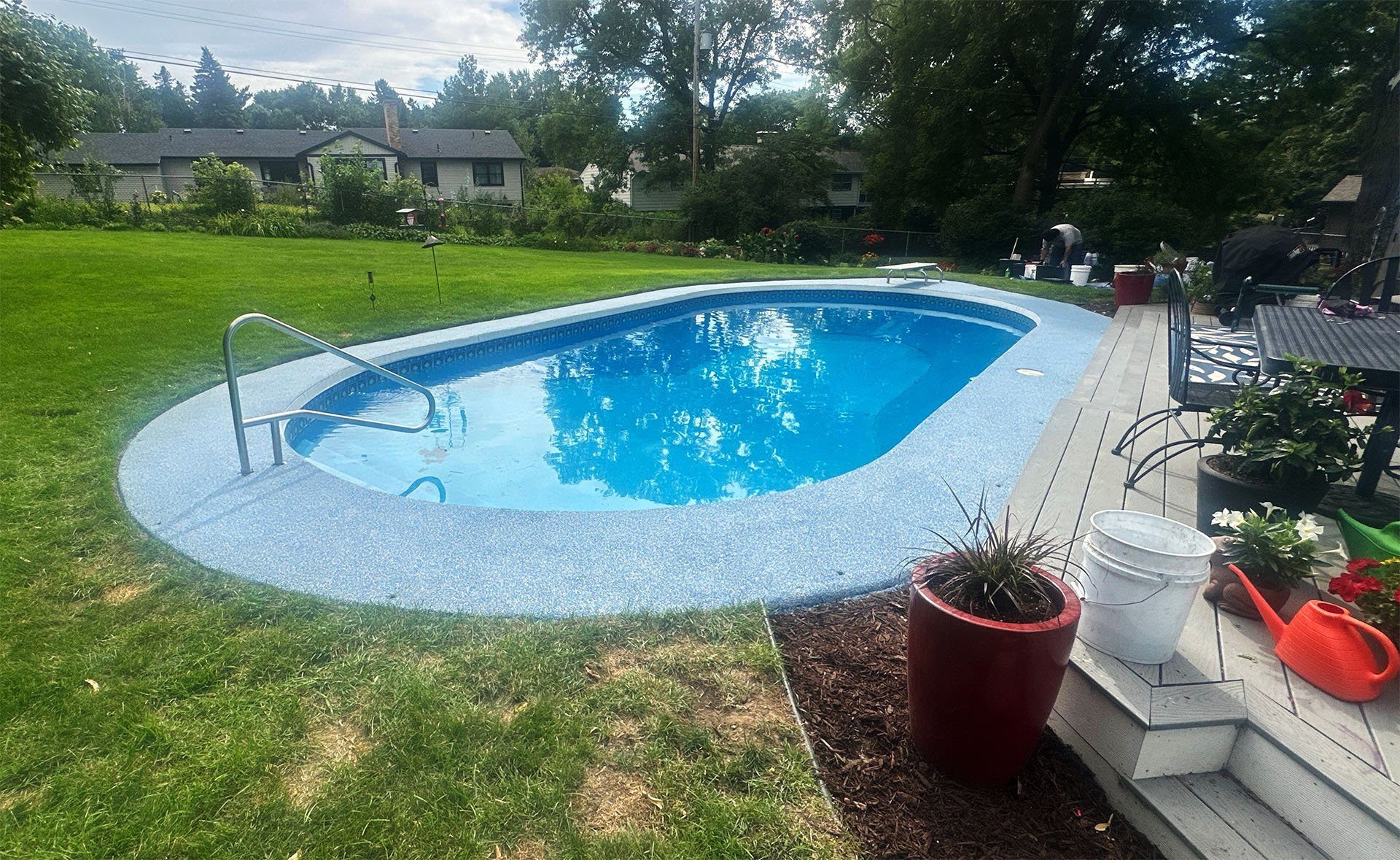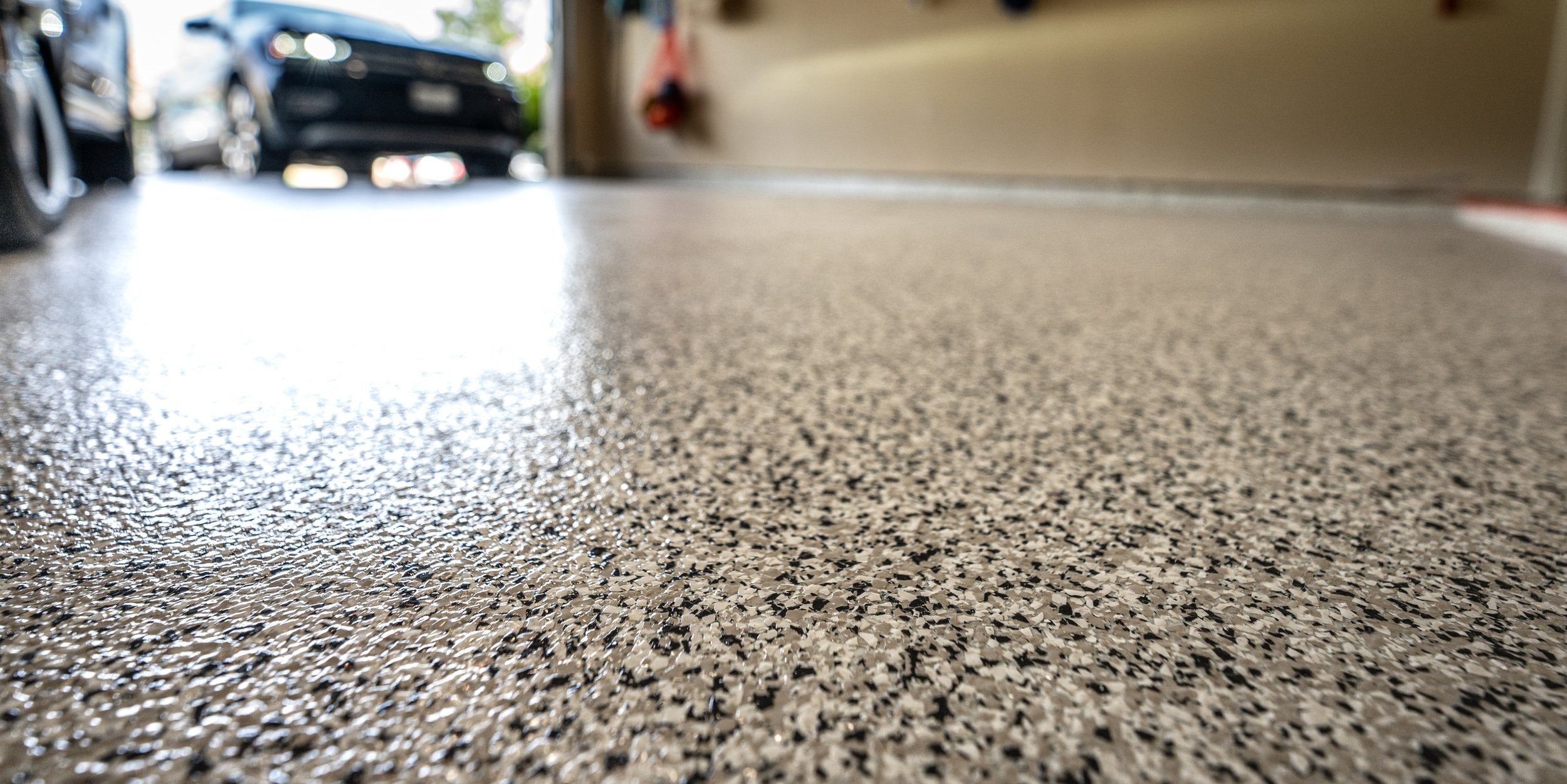
Quick Answer: Lansing's freeze-thaw cycles force water into tiny cracks in concrete, where it expands and causes spalling, pitting, and structural damage over time. Walkway coatings create a waterproof barrier that stops moisture penetration before it starts, extending the life of your walkways by years. For homeowners and businesses researching walkway coatings Lansing MI, a professional coating system is one of the most cost-effective ways to prevent this seasonal damage.
Key Takeaways
- Lansing's harsh winters put concrete walkways through dozens of freeze-thaw cycles each year, causing cracking, spalling, and surface deterioration.
- Walkway coatings seal concrete against water intrusion, which is the root cause of freeze-thaw damage.
- Professionally applied walkway coatings Lansing MI homeowners trust can extend a walkway's lifespan, improve safety, and reduce long-term repair costs.
Every winter, Lansing residents watch their concrete walkways take a beating. Snow melts during the day, seeps into small cracks and pores in the concrete, then refreezes overnight. This cycle repeats itself dozens of times each season, and each freeze-thaw event puts pressure on the concrete from the inside out. Over a few years, what started as a hairline crack can turn into a crumbling, uneven surface that's both an eyesore and a safety hazard.
Michigan's climate makes this problem worse than in most other states. Lansing typically experiences well over 100 freeze-thaw cycles annually, according to regional climate data, giving water countless opportunities to work its way into unprotected concrete. Fortunately, there's a straightforward way to interrupt this cycle before it starts: applying a quality concrete coating.
Why Do Freeze-Thaw Cycles Damage Concrete Walkways?
Concrete is porous by nature. Even a well-poured, properly cured slab contains microscopic gaps that allow water to seep in. When temperatures drop below freezing, that trapped water expands by roughly 9%. This expansion exerts pressure on the surrounding concrete, and over repeated cycles, it forces cracks to widen and surfaces to flake or crumble — a process known as spalling.
Salt and de-icing chemicals make the problem worse. Lansing homeowners and property managers often rely on rock salt to keep walkways safe during icy conditions, but these chemicals accelerate the breakdown of concrete by increasing the freeze-thaw stress on the surface. Without protection, a walkway exposed to both moisture and de-icing salt can show significant wear within just a handful of winters.
How Do Walkway Coatings Prevent Freeze-Thaw Damage?
Walkway coatings work by sealing the surface of the concrete, creating a barrier that prevents water from soaking in. If water can't penetrate the concrete, it can't freeze and expand within it. This is the core principle behind why coatings are so effective in climates like Lansing's.
A few key properties make coatings effective against freeze-thaw damage:
- Water resistance: A quality coating forms a waterproof membrane that keeps moisture on the surface rather than allowing it to soak in.
- Flexibility: Many modern coatings are formulated to expand and contract slightly with temperature changes, reducing the chance of cracking under stress.
- Chemical resistance: Coatings can also resist the corrosive effects of de-icing salts, protecting the concrete beneath from chemical degradation.
- UV and abrasion resistance: Beyond winter protection, coatings help walkways hold up against sun exposure and daily foot traffic year-round.
What Should You Look for in Walkway Coatings in Lansing, MI?
Choosing the right product matters just as much as the application itself. For homeowners and businesses comparing walkway coatings Lansing MI contractors offer, a few factors are worth prioritizing:
Choose a polyaspartic or polyurea coating if durability and quick curing matter most. These coatings cure fast — often within hours rather than days — and offer excellent flexibility and resistance to Michigan's temperature swings.
Choose an epoxy-based coating if budget is the primary concern. Epoxy coatings are typically more affordable upfront, though they tend to be less flexible and may not perform as well under repeated freeze-thaw stress compared to polyaspartic options.
Work with a local, experienced applicator regardless of which coating you choose. Proper surface preparation, including cleaning and repairing existing cracks, is essential for any coating to adhere correctly and perform as intended.
What Happens If You Don't Protect Your Walkway?
Skipping a protective coating doesn't just risk cosmetic damage. Untreated freeze-thaw cracking can create uneven surfaces and tripping hazards, which is a real liability concern for both homeowners and commercial property owners. Left unaddressed, minor cracks can expand into larger structural issues that require full slab replacement, a far more expensive fix than a preventative coating application.
Beyond safety, there's also the visual impact. Cracked, pitted walkways can hurt curb appeal and, for businesses, create an unfavorable first impression on customers and visitors.
Protect Your Walkways Before Winter Arrives
Freeze-thaw damage doesn't happen overnight, but it's relentless once it starts. Every uncoated winter is another opportunity for water to work its way into your concrete and chip away at its integrity. Applying a professional coating is one of the most effective, affordable ways to protect your investment and keep your walkways safe for years to come.
If you're ready to protect your property from Lansing's harsh winters, Polypro Concrete Coatings offers walkway coating solutions designed specifically for Michigan's climate. Reach out today for a consultation and see how a protective coating can extend the life of your walkways.
Frequently Asked Questions
How long do walkway coatings last in Lansing's climate?
Most professionally applied walkway coatings last between 5 and 15 years, depending on the product type, application quality, and level of foot traffic. Polyaspartic and polyurea coatings tend to last longer than epoxy alternatives in freeze-thaw conditions.
How much do walkway coatings cost?
Costs vary based on the size of the walkway, the type of coating selected, and the condition of the existing concrete. Getting a quote from a local applicator is the best way to understand pricing for a specific project.
Can coatings be applied to existing, damaged concrete?
In many cases, yes. Minor cracks and surface imperfections can typically be repaired before the coating is applied. However, severely damaged concrete may need structural repair first to ensure the coating adheres properly and performs as expected.
Is it better to coat a walkway before or after winter?
Applying a coating before winter arrives is ideal, since it gives the coating time to cure fully before facing freeze-thaw stress. However, coatings can be applied throughout much of the year as long as temperature and humidity conditions meet the manufacturer's requirements.