Quick answer: Proper pool deck drainage prevents standing water, mold, and surface cracking, especially in Cincinnati's freeze-thaw climate. Polypro Concrete Coatings designs and installs rubber pool deck coatings that manage water flow while adding slip resistance and comfort underfoot. Homeowners searching for rubber pool deck coatings Cincinnati OH should prioritize drainage planning before any coating is applied.
Cincinnati summers bring humidity, sudden storms, and plenty of pool days. But all that water has to go somewhere. When a pool deck lacks proper drainage, water pools in low spots, seeps into concrete cracks, and eventually turns a beautiful backyard feature into a slippery, deteriorating hazard. Add in Ohio's freeze-thaw winters, and poor drainage can shorten the life of a pool deck by years.
This post explains why drainage is such a critical part of pool deck design, what can go wrong without it, and how the right coating system can help homeowners in Cincinnati protect their investment for the long haul.
Key Takeaways
- Standing water on a pool deck leads to cracking, mold growth, and slip hazards, particularly during Cincinnati's freeze-thaw winters.
- A properly sloped deck combined with rubber pool deck coatings improves both safety and water management.
- Polypro Concrete Coatings specializes in rubber pool deck coatings Cincinnati OH homeowners can rely on for durability and comfort.
What happens when a pool deck doesn't drain properly?
Poor drainage is one of the most common — and most damaging — issues affecting pool decks. When water isn't directed away from the surface, it pools in low areas and lingers long after the pool party ends. Over time, this creates several problems:
- Cracking and spalling: Water that seeps into concrete pores expands when temperatures drop below freezing, a cycle Cincinnati experiences repeatedly each winter. This freeze-thaw action causes small cracks to widen, eventually leading to spalling, or flaking of the surface.
- Mold and algae growth: Standing water combined with warm, humid Ohio summers creates ideal conditions for mold, mildew, and algae. These not only look unsightly but also make the deck slippery.
- Slip-and-fall hazards: Puddles on a pool deck are a leading cause of slip injuries, especially around high-traffic zones like ladders, diving boards, and lounge areas.
- Shortened lifespan: A deck that's constantly exposed to trapped moisture will degrade faster than one designed with proper slope and drainage, regardless of the material used.
Why does Cincinnati's climate make drainage planning especially important?
Cincinnati sits in a climate zone that experiences all four seasons with real intensity — humid summers, cold winters, and plenty of precipitation in between. This variability puts extra stress on outdoor concrete surfaces.
According to the National Weather Service, Cincinnati averages around 40 inches of precipitation annually, spread fairly evenly throughout the year. That means pool decks rarely get a long dry stretch to fully shed moisture. Combine that with winter temperatures that regularly dip below freezing, and the region sees frequent freeze-thaw cycles — one of the most damaging conditions for untreated or poorly drained concrete.
For homeowners in and around Cincinnati, this means drainage isn't a nice-to-have. It's a requirement for any pool deck meant to last more than a few seasons.
How should a pool deck be designed to manage water effectively?
A well-designed pool deck directs water away from the pool and toward designated drainage points rather than letting it collect on the surface. A few core principles guide effective pool deck drainage:
Proper slope and grading
Pool decks should be graded with a slight slope — typically around a quarter-inch per foot — directing water away from the pool's edge and toward drains or the yard's natural runoff path. Without this slope, water has nowhere to go but to sit.
Strategic drain placement
Trench drains, deck drains, or French drains can be installed at low points to capture runoff before it accumulates. These systems work best when planned during the design phase, though they can sometimes be retrofitted into existing decks.
Permeable or textured surface coatings
The surface material itself plays a role in how water moves and whether it creates hazards. This is where coatings matter.
Why choose rubber pool deck coatings for drainage and safety?
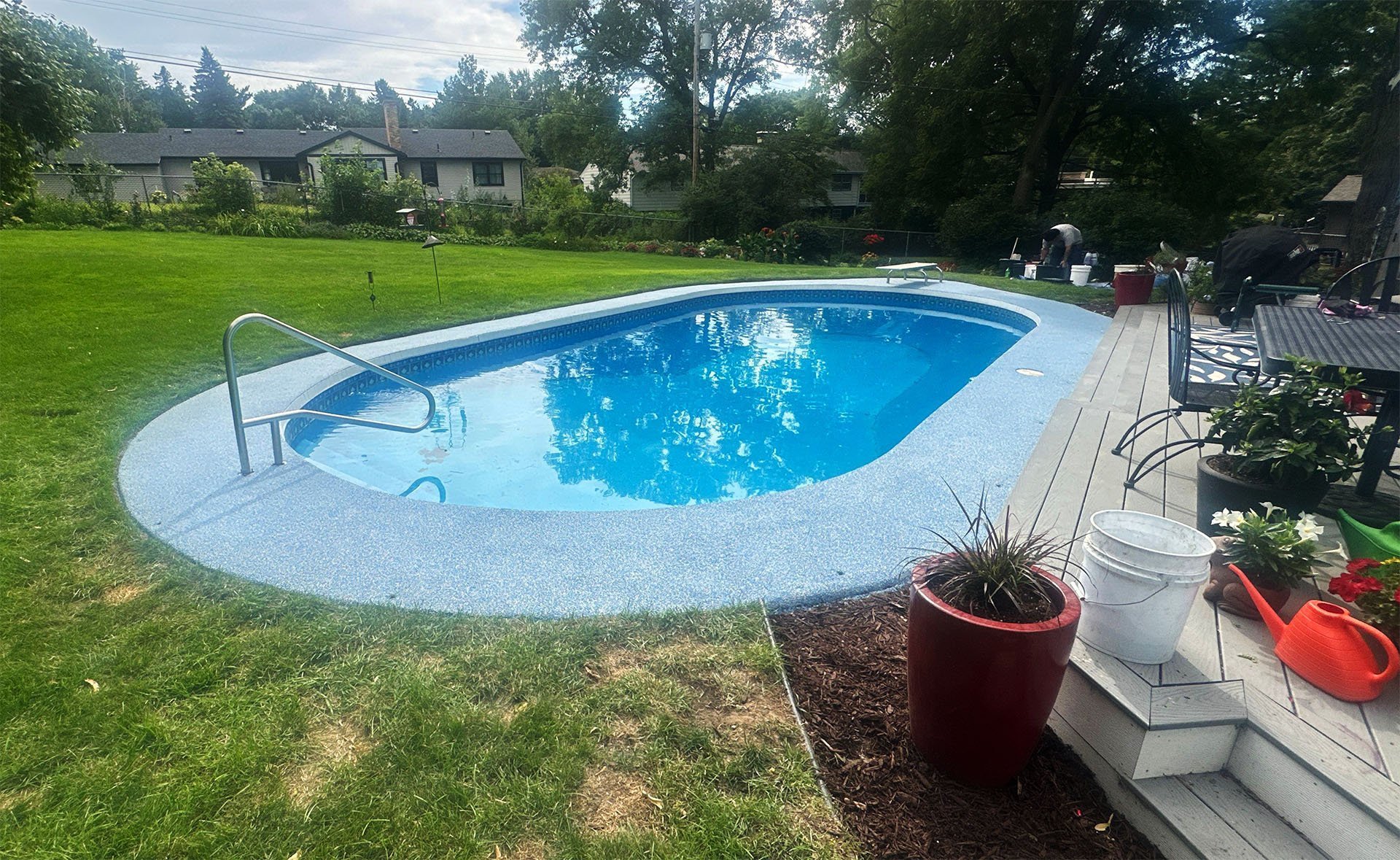
Rubber pool deck coatings offer a combination of benefits that make them particularly well-suited to managing water on pool surfaces. Unlike bare concrete, which can become slick and develop cracks over time, a rubber coating provides:
- Enhanced traction: The textured surface of rubber coatings reduces slip risk even when wet, which is critical around pool edges and walkways.
- Flexibility: Rubber coatings can expand and contract slightly with temperature changes, helping resist the cracking that plagues rigid concrete during Cincinnati's freeze-thaw cycles.
- Comfort underfoot: Rubber surfaces stay cooler than bare concrete in direct sun and are gentler on bare feet, a practical benefit for families with children.
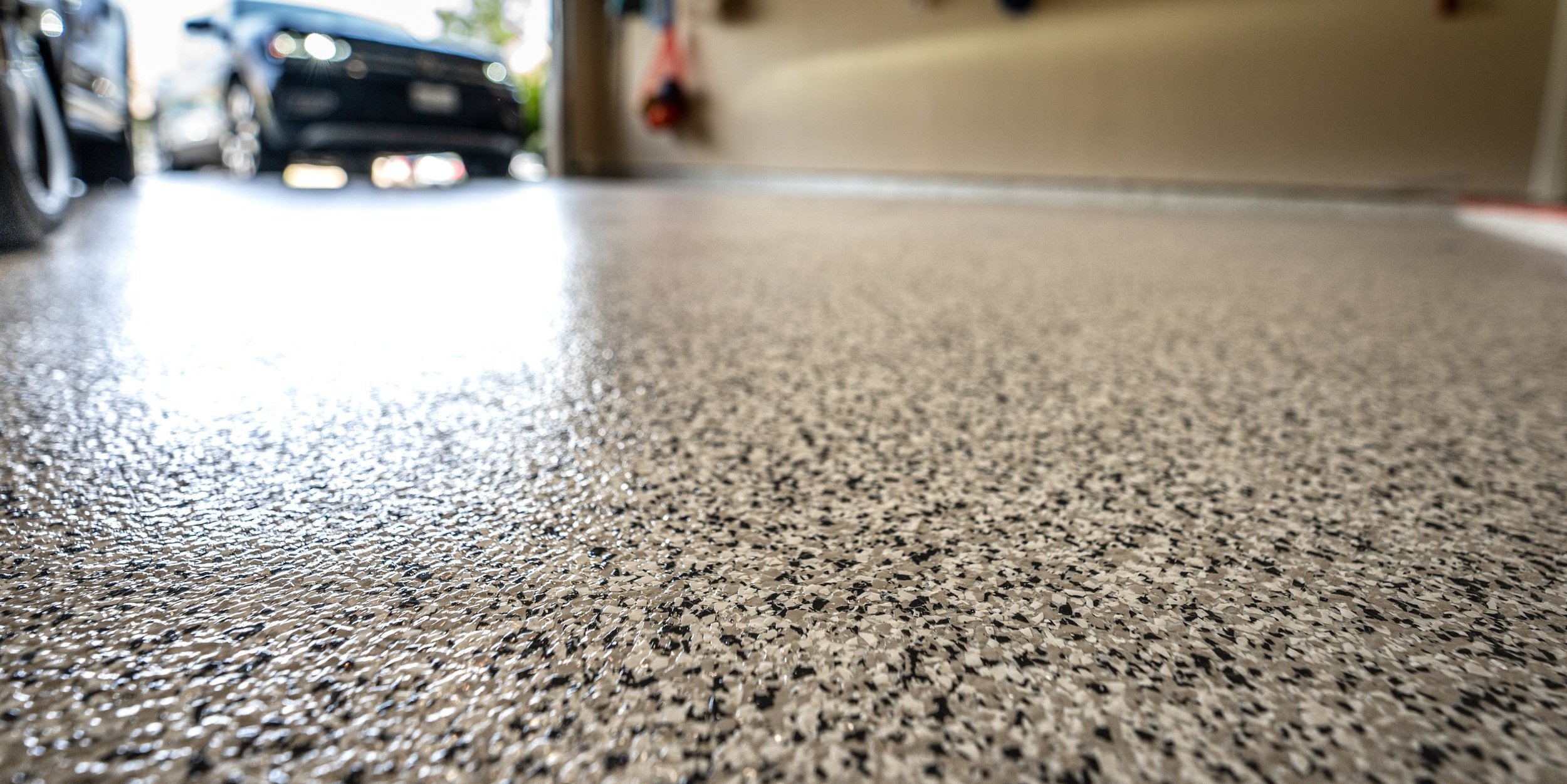
- Water-resistant properties: Quality rubber coatings help shed water more effectively than untreated concrete, reducing the chance of pooling in minor surface imperfections.
Choose rubber pool deck coatings if safety, comfort, and long-term durability matter more than the lowest upfront cost. For homeowners planning to use their pool deck for years to come, especially in a climate like Cincinnati's, the investment pays off through reduced maintenance and fewer repairs.
How does Polypro Concrete Coatings approach pool deck drainage in Cincinnati?
Polypro Concrete Coatings works with Cincinnati homeowners to address drainage as part of every pool deck coating project, not as an afterthought. The process typically includes:
- Assessing existing slope and drainage points to identify where water currently collects.
- Repairing cracks and uneven areas before any coating is applied, since water infiltration often starts with existing damage.
- **Applying rubber pool deck coatings designed to improve traction and resist moisture penetration.
- Recommending additional drainage solutions, such as trench drains, when the existing grading isn't sufficient on its own.
This approach ensures the finished deck doesn't just look better. It actually performs better through Cincinnati's demanding weather patterns.
Protect your pool deck before the next freeze-thaw cycle
Water management isn't the most glamorous part of pool ownership, but it's one of the most important. A pool deck that handles rain, splashes, and winter freezes without trapping moisture will last longer, stay safer, and require far less maintenance than one left to fend for itself.
If your Cincinnati pool deck has visible cracks, standing water after rain, or a slippery surface, it may be time for a professional assessment. Polypro Concrete Coatings can evaluate your deck's drainage and recommend a rubber pool deck coatings Cincinnati OH solution tailored to your property's specific needs. Reach out today to schedule a consultation before the next freeze-thaw season puts additional stress on your deck.
FAQ
How much does it cost to add drainage to an existing pool deck?
Costs vary depending on the scope of work, but adding trench drains or regrading a section of deck typically ranges from a few hundred to a few thousand dollars, depending on size and accessibility. A coating application is often more affordable than a full deck replacement.
How long does a rubber pool deck coating last?
With proper installation and maintenance, rubber pool deck coatings can last 8 to 12 years, though lifespan depends on climate exposure, foot traffic, and upkeep.
Can drainage be improved without replacing the entire pool deck?
Yes. In many cases, adding surface drains, regrading specific low spots, and applying a new coating can significantly improve water management without a full deck tear-out.
Are rubber pool deck coatings safe for bare feet?
Yes. Rubber coatings are specifically valued for their comfortable, slip-resistant surface, making them a popular choice for families and pool decks with heavy foot traffic.
Who should consider rubber pool deck coatings over traditional concrete resurfacing?
Homeowners dealing with recurring cracking, slippery surfaces, or standing water issues — especially in freeze-thaw climates like Cincinnati — are good candidates for rubber coatings over standard concrete resurfacing.